As the EU moves from strategy to implementation, retailers and wholesalers have a crucial role to play in turning textile circularity ambitions into reality.
Europe is building one of the world’s most ambitious regulatory frameworks for textiles. Through ecodesign requirements, Digital Product Passports (DPPs), extended producer responsibility (EPR) schemes and new waste rules, the EU is seeking to transform how textile products are designed, sold, and how their waste management looks like. The challenge now is ensuring that these measures work together as a coherent whole.
For retailers and wholesalers, the debate is no longer about whether the transition should happen. It is about how to make it work.
Too often, textile policy discussions focus on production or waste management in isolation. Yet retailers and wholesalers sit at the centre of the textile ecosystem, connecting manufacturers, recyclers and consumers. They manage product information, organise take-back systems, engage consumers and increasingly facilitate repair, resale and recycling services.
That practical perspective matters because Europe’s circular textile economy will only succeed if new rules support business models that can scale across the Single Market.
The sector is already showing what is possible. Across Europe, retailers and wholesalers are investing in circular design, repair services, second-hand platforms and innovative recycling partnerships. These initiatives demonstrate that businesses are not waiting for regulation. They are already helping extend product lifetimes, reduce waste and create new pathways for circularity.
The priority now should be coherence.
The forthcoming textile requirements under the Ecodesign for Sustainable Products Regulation have the potential to accelerate innovation by promoting more durable, repairable and recyclable products. However, policymakers must recognise the diversity of the sector. Requirements should be ambitious, but also technically feasible and proportionate, taking into account differences in product design, materials and manufacturing processes.
The same principle applies to recycled-content requirements. Creating demand for recycled fibres is essential, but targets must reflect not only the availability and quality of recycled materials, but also the technical capacity of products to incorporate them. Circularity cannot be achieved through obligations alone. It also requires investment in collection, sorting and recycling infrastructure to scale up the supply of high-quality recycled materials. At the same time, future requirements need to allow companies to draw on their knowledge to identify where and how products can incorporate higher levels of recycled fibres. Together, these conditions help maximise the use of recycled materials and support the transition to a more circular textile sector.
The Digital Product Passport offers another significant opportunity. If designed well, it can improve transparency, support informed consumer choices and help market surveillance authorities with compliance checks. But it should focus on information that genuinely supports circularity and is needed. Businesses need a practical and interoperable system, not another layer of administrative complexity.
Equally important is the development of a functioning market for secondary raw materials.
Textile EPR schemes can play a vital role in increasing collection, reuse and recycling. Yet there is growing concern about the emergence of different national approaches. A patchwork of compliance systems risks creating costs and complexity without improving environmental outcomes.
This is why greater harmonisation should be a priority. Common requirements would provide legal certainty, reduce unnecessary administrative burdens and help create the scale needed for investment in circular solutions.
The same applies to End-of-Waste rules. Europe needs clear criteria for when recycled textile materials cease to be waste and become products again. Without such clarity, it will be difficult to establish a genuine European market for recycled textiles and build confidence for long-term investment.
As the EU’s textile agenda moves from strategy to implementation, the debate is increasingly focused on a set of practical questions. How can ecodesign requirements be both ambitious and achievable? What information is genuinely needed in a DPP to support circularity? How can EPR schemes avoid creating 27 different compliance systems? And what policy framework is needed to unlock a thriving market for recycled textile materials?
These are not merely technical questions. They will determine whether Europe’s textile strategy delivers both environmental and economic results.
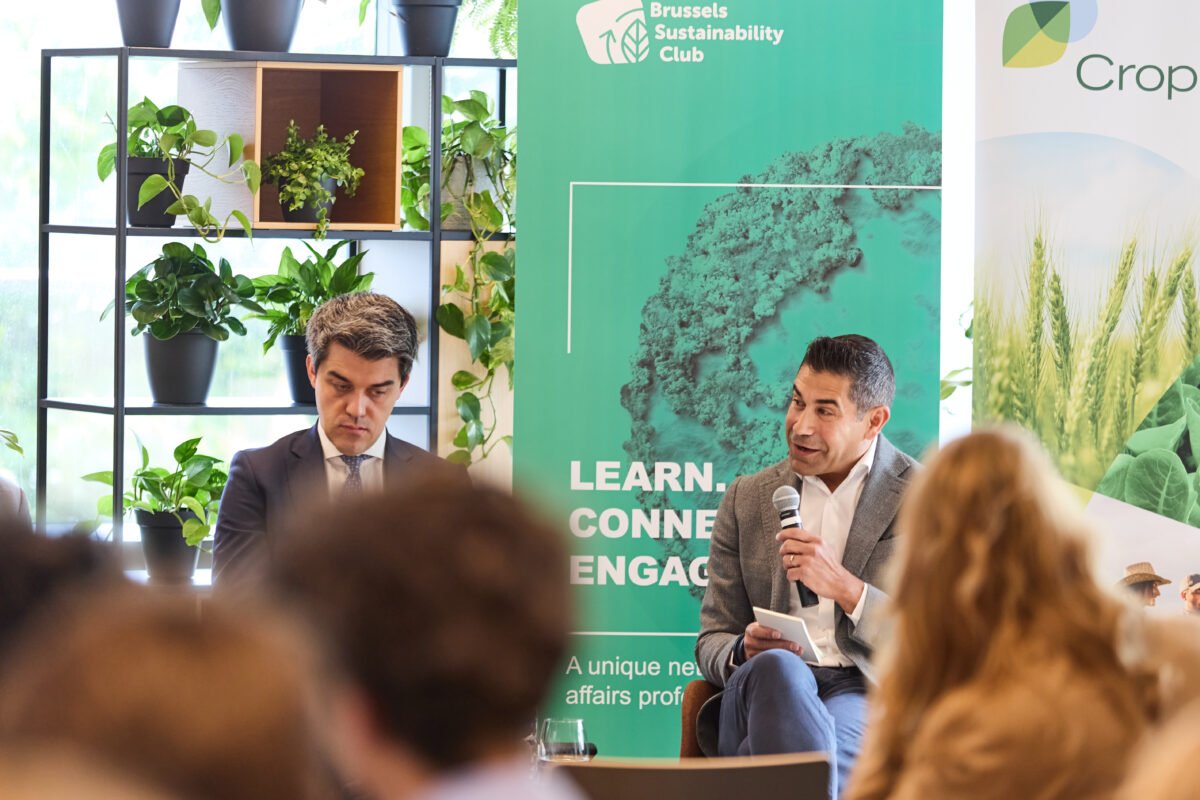
Recognising the importance of this next phase, EuroCommerce – the European association representing retailers & wholesalers also in the textile and apparel sector – has supported efforts to bring policymakers and industry stakeholders together to discuss how the various elements of the textile framework fit together. This is reflected in discussions such as the Brussels Sustainability Club’s “Stitching EU Rules: The Future of Textile Policy” event, which explores how emerging legislation on ecodesign, DPPs, EPR and waste management can reinforce one another rather than create overlapping obligations.
The discussion also highlights the significance of upcoming initiatives, including the Circular Economy Act and further measures affecting textile circularity. More importantly, it reflects a growing recognition that the debate is no longer about setting objectives. It is about delivering them.
Ultimately, competitiveness and sustainability are not competing objectives. They depend on each other.
Europe’s textile transition will require significant investment in innovation, digitalisation and circular infrastructure. Businesses are ready to contribute, but they need a regulatory framework that is predictable, coherent and workable.
The coming years will determine whether Europe creates a truly circular textile economy or simply a complex set of overlapping rules. Achieving the EU’s ambitions will require close cooperation between policymakers and the businesses responsible for bringing products to market.
Europe’s textile transition will not succeed through legislation alone. It will succeed when policymakers and the value chain work together to turn ambition into implementation. Retailers and wholesalers are ready to play their part.